 Back to learning center
What is procure to pay?

Sema4.ai Announces Semantic Layer Capabilities at the Gartner® Data & Analytics Summit 2026 → Read now


Procure to pay (P2P) is the end-to-end business process organizations use to purchase goods or services from suppliers and complete payment through accounts payable.
The procure to pay process serves as the backbone of enterprise purchasing operations, connecting procurement teams with finance departments to manage supplier relationships and payment workflows efficiently. This structured workflow encompasses critical activities including purchase requisitions, supplier sourcing, purchase orders, invoice processing, and supplier payments.
Organizations rely on the procure to pay workflow to maintain financial control, manage supplier relationships effectively, and improve visibility into procurement spending. As manual processes become increasingly unsustainable for growing enterprises, automation and AI technologies are transforming how procurement and finance teams operate. Modern AI agents now process invoices, manage approvals, and reduce manual work – enabling finance teams to focus on strategic activities rather than repetitive data entry.
The procure to pay process is a structured procurement workflow that manages all purchasing activities from initial request through final supplier payment. This comprehensive workflow connects two critical organizational functions: procurement teams responsible for sourcing suppliers and managing purchasing decisions, and accounts payable teams responsible for verifying invoices and processing payments.
This integration ensures that purchasing activities align with financial controls and compliance requirements. Structured procure to pay workflows help organizations maintain financial control by documenting every step of the purchasing process, improve procurement transparency by providing visibility into spending patterns, and strengthen supplier accountability by establishing clear expectations and payment terms. When properly implemented, the P2P process becomes a strategic advantage that reduces costs, minimizes errors, and accelerates operations.
The procure to pay workflow consists of several interconnected stages that guide organizations from initial need identification through supplier payment:
Each stage builds upon the previous one, creating a comprehensive audit trail that supports financial accuracy and compliance.
The procure to pay process begins when an employee identifies a business need and submits a purchase requisition. This internal document specifies what goods or services are needed, the quantity required, estimated cost, and business justification. Department managers review and approve requisitions based on budget availability and business necessity, ensuring that all purchases align with organizational priorities.
Once a requisition is approved, procurement teams evaluate potential suppliers based on criteria including price competitiveness, product quality, delivery reliability, and payment terms. Organizations often maintain preferred supplier lists to streamline sourcing decisions. For new or high-value purchases, procurement teams may issue requests for proposals (RFPs) to compare multiple suppliers before making final selections.
After supplier selection, procurement teams create purchase orders (POs) that serve as legally binding contracts between the organization and supplier. Purchase orders specify exact quantities, agreed pricing, delivery dates, and payment terms. This formal documentation protects both parties and provides the foundation for subsequent invoice verification.
When suppliers deliver goods or complete services, receiving departments verify that deliveries match purchase order specifications. This verification includes checking quantities, inspecting quality, and confirming delivery dates. Organizations document this verification through goods receipt records that become critical references during invoice processing.
Invoice processing begins when suppliers submit invoices for payment. Finance teams verify that invoices match approved purchase orders and confirmed deliveries. Modern organizations increasingly leverage AI-powered document intelligence to automate invoice data extraction, dramatically reducing manual data entry while improving accuracy. Document Intelligence processes complex invoices across multiple formats, handling variations in layout and structure that traditionally required manual review.
Three-way matching is the critical control process that verifies alignment between three key documents: the purchase order, goods receipt record, and supplier invoice. Finance teams compare quantities, prices, and terms across all three documents to identify discrepancies before processing payment. This verification prevents payment errors, identifies potential fraud, and ensures suppliers are paid accurately for delivered goods.
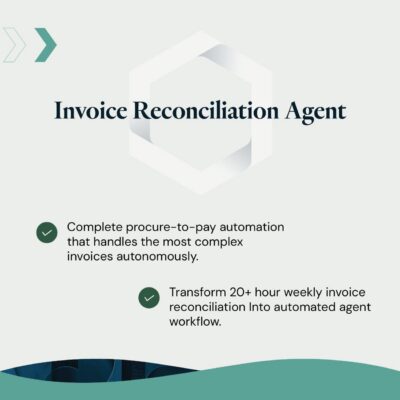
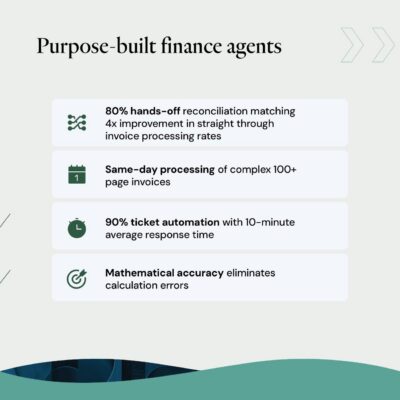
Organizations implementing automated invoice reconciliation through AI agents can perform three-way matching in minutes rather than hours. See how Sema4.ai automates invoice reconciliation to reduce processing time from 3 hours to approximately 2 minutes per invoice while maintaining accuracy.
After successful three-way matching, accounts payable teams process supplier payments according to agreed payment terms. Organizations typically use electronic payment methods including ACH transfers, wire transfers, or payment cards to improve efficiency and maintain clear audit trails. Timely payment strengthens supplier relationships and may qualify organizations for early payment discounts.

The procure to pay process requires collaboration across multiple organizational roles:
Effective P2P workflows depend on clear communication and defined responsibilities across these stakeholders.
Structured procurement workflows are critical for organizations managing complex supplier relationships and financial operations. The P2P process helps organizations maintain financial control by documenting purchasing decisions and payment activities, improve procurement transparency by providing visibility into spending patterns, strengthen supplier relationships through reliable payment processes, ensure compliance with procurement policies and regulatory requirements, and improve visibility into procurement spending for better budget management.
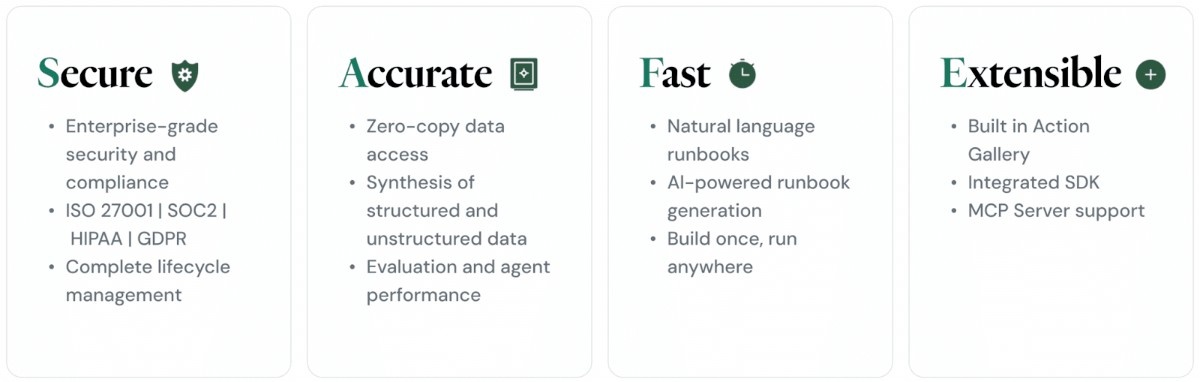
Enterprise automation platforms such as Sema4.ai support secure and scalable financial automation through frameworks like SAFE:
Secure – data remains within enterprise infrastructure
Accurate – SQL-powered DataFrames provide mathematical precision
Fast – Document Intelligence configuration can be completed in minutes
Extensible – integrations connect to enterprise systems such as SAP and Workday
Despite its importance, many organizations struggle with P2P inefficiencies:
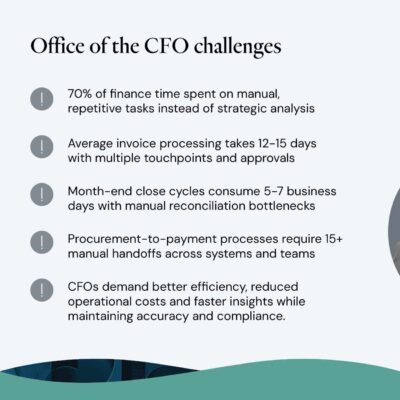
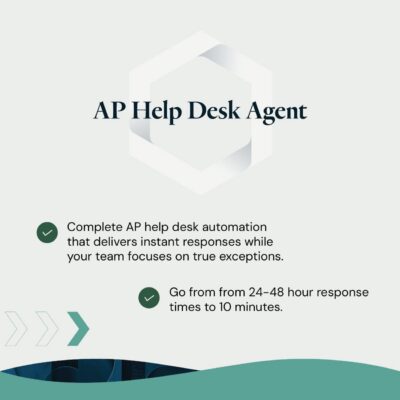
These challenges compound as organizations grow, making automating accounts payable support increasingly critical. See how AI agents resolve AP inquiries to reduce response times from 24-48 hours to approximately 10 minutes with 90% autonomous resolution.
Organizations can significantly improve P2P efficiency through:
These improvements reduce cycle times, lower operational costs, and provide better data for strategic decision-making.
Automation platforms transform procurement workflows by eliminating manual tasks and accelerating processing times. Key improvements include:
Real-world automation delivers measurable results:
| Metric | Before | After |
|---|---|---|
| Invoice reconciliation | Hours | Minutes |
| Supplier payment processing | Days | Same-day |
| Finance team efficiency | Manual focus | Strategic focus |
Autonomous Worker Agents enable AI agents that work 24/7 to handle unattended procurement automation while escalating only exceptions requiring human judgment.
Enterprise AI agent platforms such as Sema4.ai transform procurement automation through three critical differentiators:
Unlike other solutions Sema4.ai enables procurement and finance teams to configure agentic automation using natural language runbooks, eliminating the need for extensive coding or developer resources. Build procurement agents using natural language through Studio enables business users to configure automation without technical barriers.
Sema4.ai Document Intelligence processes complex invoices across multiple formats with near-perfect accuracy and can be configured in minutes. The system handles variations in invoice layouts, multi-page documents, and diverse supplier formats that traditionally required manual review.
Sema4.ai Worker Agents operate continuously to process invoices, reconcile supplier data, and perform automated three-way matching while escalating exceptions only when human review is required. This autonomous approach enables 24/7 operations without increasing headcount.
| Process | Before automation | With Sema4.ai |
|---|---|---|
| Invoice reconciliation | 3 hours | ~2 minutes |
| Pipeline invoice reconciliation | 1 week | ~5 minutes |
| AP help desk response | 24–48 hours | ~10 minutes (90% autonomous) |
Enterprise AI agents represent a fundamental advancement over traditional automation tools such as RPA:
Traditional automation relies on rule-based workflows that require developer-heavy configuration and offer limited adaptability to invoice variations or process changes.
Enterprise AI agents from Sema4.ai provide natural language configuration that empowers business users, reasoning models that adapt to invoice variations automatically, transparent decision-making that builds trust through visible logic, and autonomous processing with human oversight that handles exceptions intelligently.
| Capability | Traditional automation | Enterprise AI agents |
|---|---|---|
| Configuration | Developer-heavy, rule-based | Natural language runbooks |
| Adaptability | Limited to predefined rules | Reasoning models adapt to variations |
| Decision transparency | Black box processing | Transparent decision-making |
| Processing model | Scheduled batch runs | Autonomous with human oversight |
Sema4.ai is at the core of the emerging enterprise AI agent platform category, delivering capabilities that traditional automation cannot match through breakthrough innovations in document understanding, autonomous reasoning, and business user empowerment.
While related, these procurement models serve different purposes:
Procure to pay focuses on operational purchasing and payment workflows from requisition through supplier payment. This process emphasizes transaction efficiency and financial accuracy.
Source to pay encompasses the broader procurement lifecycle including strategic sourcing, contract management, supplier relationship management, and payment processing. This expanded scope includes supplier discovery, negotiation, and long-term relationship development.
| Aspect | Procure to pay | Source to pay |
| Focus | Operational purchasing and payment | Full procurement lifecycle |
| Scope | Requisition through payment | Sourcing through payment |
| Activities | Transaction processing | Strategic sourcing, contracts, relationships |
| Primary goal | Efficiency and accuracy | Total procurement optimization |
Organizations often implement P2P automation first due to clear ROI from invoice processing improvements, then expand to full source-to-pay capabilities.
While related, these procurement models serve different purposes:Organizations often implement P2P automation first due to clear ROI from invoice processing improvements, then expand to full source-to-pay capabilities.
Several trends are shaping the future of procurement automation:
Modern platforms such as Sema4.ai enable business users to configure automation using natural language runbooks while maintaining enterprise-grade transparency and control. This democratization of automation accelerates adoption while preserving governance requirements.
What is the procure to pay process?
Procure to pay is the end-to-end workflow organizations use to purchase goods or services from suppliers and complete payment through accounts payable, encompassing requisitions, ordering, receipt, invoice processing, and payment.
What are the steps in procure to pay?
The P2P process includes purchase requisition, supplier sourcing, purchase order creation, goods receipt, invoice processing, three-way matching, and supplier payment—creating a comprehensive audit trail from need identification through payment completion.
What is three-way matching in procure to pay?
Three-way matching verifies alignment between purchase orders, goods receipt records, and supplier invoices to ensure accurate payment. This control process identifies discrepancies, prevents errors, and ensures suppliers receive correct payment for delivered goods.
What is the difference between procure to pay and source to pay?
Procure to pay focuses on operational purchasing and payment workflows, while source to pay encompasses the broader procurement lifecycle including strategic sourcing, contract management, supplier relationship management, and payment processing.
What software supports procure to pay automation?
Enterprise AI agent platforms like Sema4.ai provide comprehensive P2P automation through Document Intelligence for invoice processing, Worker Agents for autonomous operations, and natural language runbooks that enable business users to configure workflows without coding.
Many organizations are exploring AI-driven automation to improve procurement and finance operations. Learn how Sema4.ai enables business users to build intelligent automation using natural language runbooks while maintaining enterprise-grade security and transparency.



 Learn more about Studio